
Учебники вместо пикников.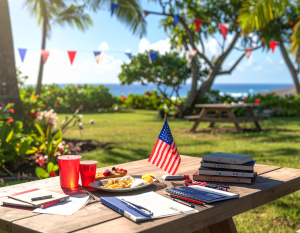
It was May 25, 2001. Although the teachers’ strike is over, the damage caused by missing 15 school days will not simply disappear. Those 15 days represented more than missed hours in a classroom; they were lessons, assignments, discussions, and opportunities to learn that students cannot fully get back.
While schools may try to make up for lost time by moving through the curriculum faster, rushing through material is not the same as truly learning it. Students may have missed important concepts that future lessons depend on, leaving gaps in their understanding that could last for months or even years.
The usual rehearsal and preparation for May Day became harder to fit into an already crowded schedule; as a result, the celebration was scaled back. Traditions that students had looked forward to were shortened, simplified, or left out entirely. There was less time for practices, fewer opportunities for students to perfect their performances, and less room for the elaborate preparations that normally make May Day such a memorable event.
For many students, the downsized celebration was more than just a smaller festival. It was a visible reminder of what had been lost during the strike. Fifteen missed school days had affected not only academics, but also the traditions, activities, and experiences that make a school year feel complete.
May Day still brought students together, but it felt different. What should have been a full celebration of Hawaiian culture, community, and student achievement instead reflected the difficult compromises schools had been forced to make after weeks away from the classroom.
The Kimo Clan and the Grigoriy Clan were incredibly proud of what the students accomplished despite the challenges they faced. They visited each other’s schools, quietly showing their support and pride from the shadows.
In the coming weeks ahead, many families realized that there simply was not enough time during the regular school day to address every learning gap. Parents began searching for additional academic support, and the demand for tutors surged.
The change was impossible to miss. Classified sections that once carried a handful of tutoring advertisements were suddenly flooded with them. Newspaper pages filled with notices from tutors offering help in math, reading, science, writing, and other subjects. Some advertisements specifically mentioned helping students catch up after the strike, while others promised individualized instruction, homework assistance, and accelerated review.
Tutors became part of the recovery effort. After school and on weekends, students spent extra hours reviewing lessons, practicing skills, and working through material they had missed during the strike. The crowded classifieds became a visible symbol of just how far the effects of those 15 canceled school days had reached.
A minority group of teachers argued that it was unfair that parents were going to tutors for help. Teachers had spent years earning their credentials, developing lessons, managing classrooms, and supporting students, yet some tutors were now making top dollar because families were desperate to help their children catch up.
But the complaints struck some families as ungrateful. After the disruption of the strike, parents were already paying additional money for tutoring to make up for lost instructional time. Hearing some teachers now demand an even larger share felt frustrating to families struggling to cover the unexpected costs.
For some families, the message was simple: teachers had every right to want fair compensation, but after 15 canceled school days, they wished the focus would remain on helping students recover rather than on who should be earning after-school pay.
The strike may have ended, but the arguments over money, responsibility, and accountability were far from over.
The effects of the teachers’ strike reached even into Memorial Day. For some families, this day was no longer simply a day for remembrance, family gatherings, and time together. Parents hired tutors to help their children prepare for upcoming exams, turning part of the holiday into an unexpected day of studying.
Picnics were missed, family outings were shortened, and some students spent the holiday with textbooks and tutors instead of relatives and friends.
The three Russian mice had experienced their first Memorial Day.
“Is this a military holiday?” asked Observer Grigoriy, peering through his binoculars from beneath a hibiscus bush.
“Obviously,” said Commander Grigoriy. “Everyone is wearing flowers, grilling meat, and waving flags. Humans are very complicated.”
Commander Grigoriy adjusted his tiny Ushanka. “I have studied American customs. Memorial Day is for remembering those who died serving their country.”
The mice grew quiet.
From their hiding place, they watched families gather. Someone placed flowers beside a small American flag. Farther away, the ocean glittered under the Hawaiian sun.
They sat together, listening to the distant music and the waves. For mice who had crossed half the world, Hawaii seemed impossibly peaceful: warm rain, green mountains, bright flowers, and an ocean that never seemed to end.
Technician Grigoriy looked at the flag fluttering in the breeze.
“Perhaps,” he said, “remembering the dead is how humans remind themselves to appreciate the living.”
Commander Grigoriy nodded thoughtfully.
Then Technician Grigoriy's nose twitched.
“I appreciate the living,” he announced. “Especially the living person who just dropped a piece of cheese.”
Together they scampered toward the cheese.
Предстоит длинное лето отчаяния.